Roofs Assessed by Walking the Surface, Not Guessing
Roofing in Evansville for damaged shingles, failing flashing, or surfaces that need full replacement
Roof problems that look minor from the ground—missing shingles, lifted flashing, granule loss in one section—can represent structural deterioration that only becomes clear when a crew member walks the entire surface and evaluates what is underneath. Hirsch Contracting LLC provides roofing work in Evansville based on that direct inspection method: the crew walks every square foot of the roof to assess structural condition, material integrity, and the actual scope of repair or replacement needed before any work is proposed. That approach prevents both over-scoping and the more expensive mistake of under-scoping a roof that needs full replacement.
Installation and repair follow building code and manufacturer specifications. Shingles, flashing, and underlayment are sourced for durability rather than minimum cost, and the materials carry lifetime warranties. Cleanup and disposal of removed material are included in the scope—the site is left clear when the crew leaves. The owner has fifteen years in the trade, and crew members bring between two and twenty years of roofing experience to each job.
Arrange a roof inspection with Hirsch Contracting to get a clear picture of current surface condition and what work is warranted.
How Roofing Is Done Correctly from Inspection Through Completion
The distinction between a roof that lasts and one that fails early almost always comes down to what happens at the transition points—valleys, penetrations, eave edges, and wall intersections—rather than the field of shingles in between. Flashing at these locations has to be set correctly and integrated with the underlayment so that water moving down the surface is directed off the roof rather than under it. Hirsch Contracting sequences this work so underlayment is fully lapped before shingles are started, and flashing is installed to manufacturer specification at every penetration and transition.
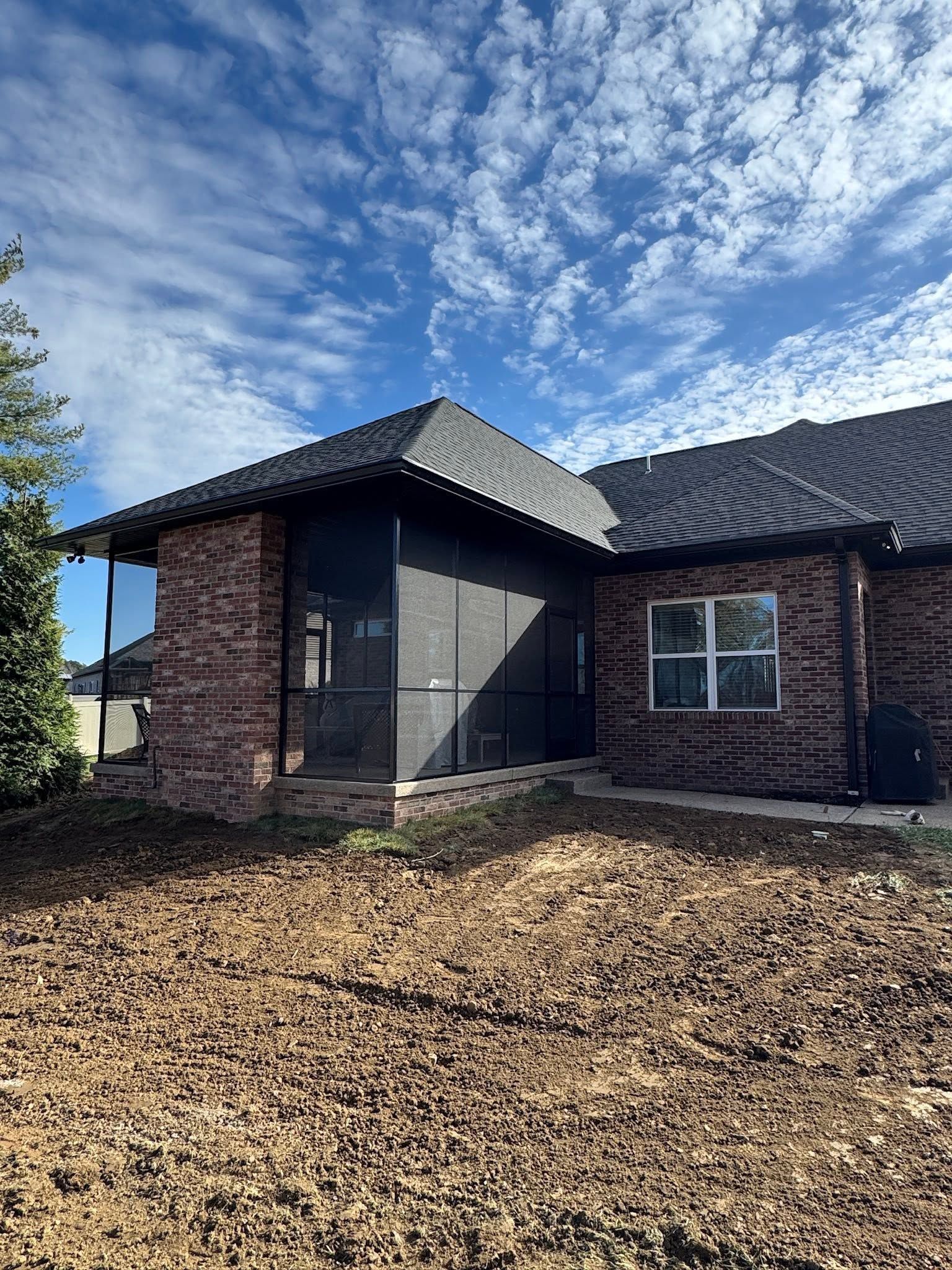
Once work is complete, the visible indicators of a properly finished roof include consistent shingle alignment and exposure, no exposed nail heads in the field, and sealed pipe boots and ridge caps that sit tight without gaps. Granule coverage on new shingles should be even, and the rake and eave edges should be finished cleanly without overhanging material curling at the edge.
Whether a job is a repair to an isolated section or a full tear-off and replacement, the approach to flashing and underlayment does not change based on job size. Partial repairs that skip proper flashing integration at the edges of the repaired section are a common cause of callbacks, and Hirsch Contracting does not cut that step regardless of how small the repair area is.
Answers About How the Roofing Work Is Done
The questions below address what happens during a roofing job—how the surface is evaluated, what the installation involves, and what to check once the crew has finished.
How does walking the roof surface change what gets found compared to a ground inspection?
A ground inspection can identify missing shingles or obvious sagging, but soft spots in the decking, compromised flashing at valleys, and lifted underlayment at penetrations only become apparent when weight is placed on the surface and the crew can physically examine each transition point.
What is included in the underlayment layer and why does it matter?
Underlayment is a water-resistant barrier installed directly over the decking before shingles go on; it protects the structural deck if shingles are damaged and provides a secondary line of defense at vulnerable points like valleys and eaves where water concentrates.
How is the decision made between repairing a section versus replacing the full roof?
The crew evaluates shingle age, granule coverage across the whole surface, and decking condition beneath damaged areas; if more than a third of the surface shows significant wear or if the decking has taken on moisture damage, full replacement produces a result that isolated repair cannot sustain.
What should the finished roof look like at the ridge and rake edges?
Ridge cap shingles should be evenly spaced and nailed at manufacturer-specified fastening points, and rake edges should be finished with a starter strip that prevents wind uplift at the perimeter—these edges are where improper installation most often allows wind-driven water to enter.
Why does flashing material choice affect how long the roof performs?
Aluminum flashing is common and adequate in many applications, but step flashing at wall intersections requires a material that can be bent precisely and hold its shape over time; flashing that lifts or corrodes at these joints is a direct water entry point regardless of how well the shingles above it are installed.
Contact Hirsch Contracting LLC directly to set up a walking inspection of your roof and review what the surface condition indicates about repair or replacement scope. Hirsch Contracting LLC also performs
roofing work in Haubstadt, Boonville, Chandler, Evansville, and Rockport.