Exterior Walls That Start Over Correctly
Siding replacement in Evansville for homeowners whose existing exterior shows failure at the sheathing, seams, or trim connections
Siding replacement done correctly begins before any new material goes up—it starts with what comes off and what is found underneath. Hirsch Contracting LLC removes old siding carefully, inspects the underlying sheathing and framing for damage or deterioration, and repairs what needs attention before new material is installed. That sequence matters because siding applied over compromised sheathing fails from the inside out: the new surface looks fine for a season or two before the problems underneath express themselves as buckling, soft spots, or gaps at seams. The crew's experience—ranging from two to twenty years, with the owner's fifteen years directing each project—means that inspection step is taken seriously rather than skipped in the interest of speed.
After the substrate is confirmed sound, new siding is installed with proper underlayment, all seams are sealed, and the project is completed with trim and flashing at windows, doors, and corners. Products come with manufacturer warranties, and Hirsch Contracting is licensed, insured, and offers free estimates. Homes in Evansville's established residential areas include a significant number of wood-framed structures from the mid-twentieth century where sheathing condition varies considerably—making the inspection phase a consistent source of findings rather than a formality.
Request a free estimate that includes an assessment of your existing sheathing condition before new siding material is specified.
The Difference Between Siding Done Well and Siding Done Fast
The underlayment installed between the sheathing and the siding panels does work that the siding itself cannot do—it is the layer that manages any water that gets past the outer surface and directs it down and out rather than into the wall cavity. Installing siding without proper underlayment, or with underlayment that is not lapped and sealed correctly, leaves the wall system dependent on the siding panels alone to keep water out. That is not what the siding is designed to do, and walls installed that way develop moisture problems behind panels that show no visible exterior damage.
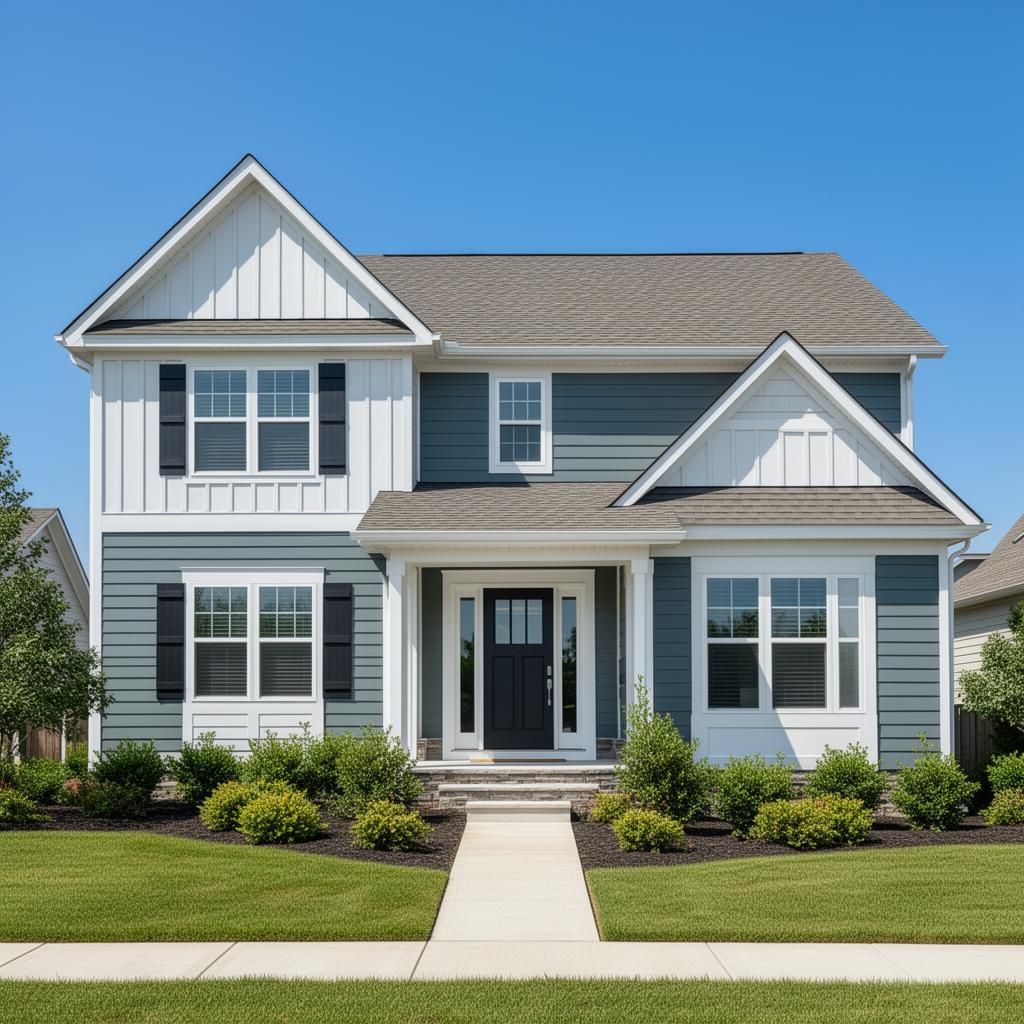
Once the work is complete, what you see is a continuous, flat exterior surface without visible waviness between panels, trim that sits tight at every window and door opening, and flashing that covers all transitions where water could otherwise run behind the siding. What you do not see is the underlayment, the fastener pattern, and the sealed seams—but those are exactly what determine whether the surface you see continues to look and perform that way five and ten years out.
Material selection affects both the installation process and the long-term maintenance profile. Vinyl siding, fiber cement, and engineered wood products each install differently, have different fastening requirements, and respond differently to the expansion and contraction that happens in any exterior application. Choosing a material based on appearance alone, without accounting for how it performs on a specific structure and wall system, is a common reason siding replacements require attention before they should. That conversation is part of the estimate process with Hirsch Contracting.
Questions Before Your Siding Project Starts
The following questions cover how siding replacement actually works, what the inspection process involves, and what to look for in a completed installation.
What does the sheathing inspection involve when old siding comes off?
The crew removes siding in sections and examines the sheathing panels underneath for soft spots, delamination, water staining, or mold. Any compromised sections are replaced before underlayment or new siding is installed. Skipping this step means the new installation is only as durable as the damaged material beneath it.
How is flashing installed at windows and doors during a siding replacement?
Flashing is installed at every penetration—windows, doors, utility entries—using metal or membrane flashing material that overlaps the underlayment below and is sealed at all edges. The flashing directs water away from the opening and prevents it from running behind the siding at those transitions, which is where most wall moisture problems originate.
What fastening pattern is required for proper siding installation?
Fastener spacing is specified by both the siding manufacturer and local building code, and varies by product type and panel width. Vinyl siding requires fasteners through the nail hem with sufficient clearance for thermal movement; fiber cement requires face-nailing into studs at specified intervals. Incorrect fastening causes buckling, cracking, or panels pulling away at seams.
How does the age of a home in Evansville affect a siding replacement project?
Homes built before the 1980s in the area frequently used board sheathing rather than plywood or OSB panels, which affects how underlayment is attached and how the new siding is fastened. Board sheathing in good condition is a solid substrate; deteriorated board sheathing requires partial or full replacement before the installation can proceed correctly.
What is the correct sequence for installing siding around existing trim?
Existing window and door trim is typically removed before siding goes on, allowing the new siding panels to run behind the trim line. Trim is then reinstalled or replaced over the finished siding, creating a weathertight overlap. Siding installed over or abutted directly to old trim without proper flashing is a common source of water intrusion at those joints.
Hirsch Contracting LLC provides free estimates and can assess your current exterior before specifying materials or scope. Hirsch Contracting also installs siding in Boonville, Chandler, Evansville, Haubstadt, and Rockport. Call (812) 499-9977 to arrange a walkthrough of your exterior.